Putin’s Prigozhin Problem Persists
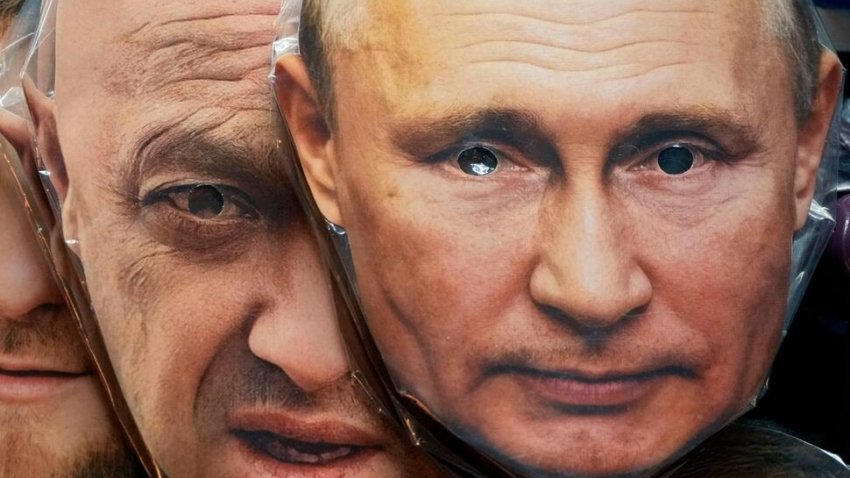
For Putin, the challenges posed by the Wagner Group and its leader, Yevgeny Prigozhin, remain unresolved.
Despite President Vladimir Putin’s efforts to address the threat from Wagner Group since Prigozhin’s attempted march on Moscow, the situation has not improved. The mercenary leader’s forces came within 120 miles of the capital in late June, but since then, attempts to neutralize Prigozhin’s influence have had limited success.
Recent reports confirm that Putin met with Prigozhin and his key associates shortly after the failed uprising. Rather than taking punitive action, Putin allowed Prigozhin to regain control of his assets and wealth. This has led to questions about Putin’s control and effectiveness in managing the situation. Orders for Wagner Group to integrate into the Russian military have also faltered, with satellite imagery suggesting that significant numbers of Wagner mercenaries are now based in Belarus or preparing to relocate there.
The Kremlin’s attempts to downplay the significance of Prigozhin’s actions have been undermined by the ongoing presence and activities of Wagner forces. For instance, Wagner’s operations in Africa, where it has historically supported local governments while exploiting resources, continue as before. The Russian Ministry of Defense appears to be incorporating Wagner personnel in specific regions but not to the extent initially planned.
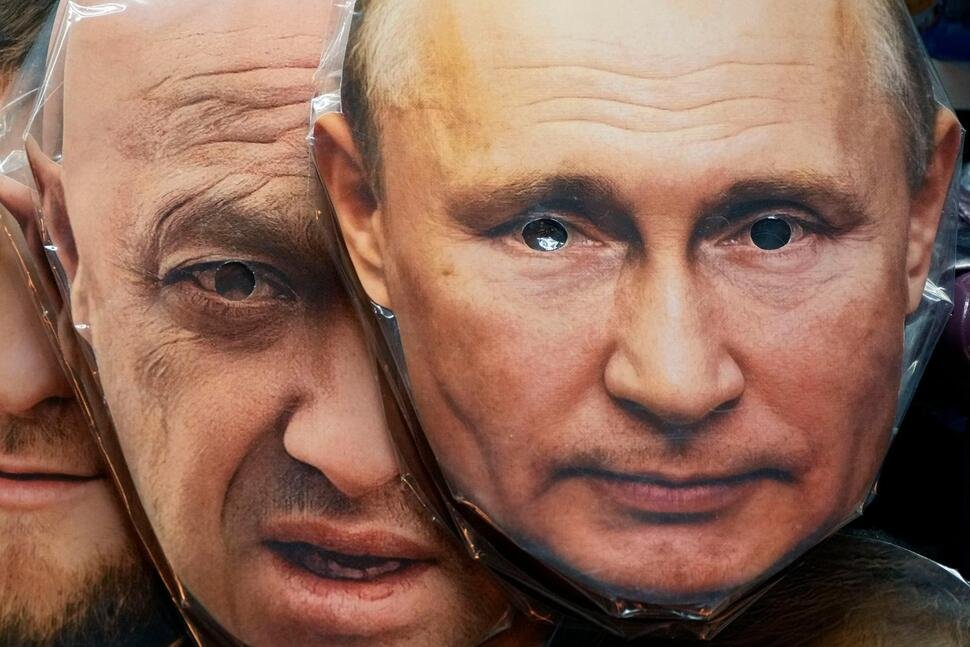
The deal brokered by Belarusian President Alexander Lukashenko, which aimed to relocate Wagner forces to Belarus and integrate them into the Russian military, appears to be in flux. Prigozhin’s continued activities and his ability to access resources suggest that he still wields considerable power.
Analysts have noted that the situation reflects poorly on Putin’s leadership and his ability to manage internal dissent. Some argue that the failure to decisively address the Wagner problem signals broader issues within the Russian government, especially as it continues its military campaign in Ukraine.
Prigozhin’s limited public communications since the uprising, combined with a Russian public that largely supports Putin’s narrative against him, indicate that while Prigozhin remains influential, the Kremlin has managed to control the broader public perception of the crisis.
Overall, the unresolved status of the Wagner Group and Prigozhin’s continued prominence illustrate the ongoing challenges Putin faces in maintaining control and managing dissent within Russia.







Leave a Reply