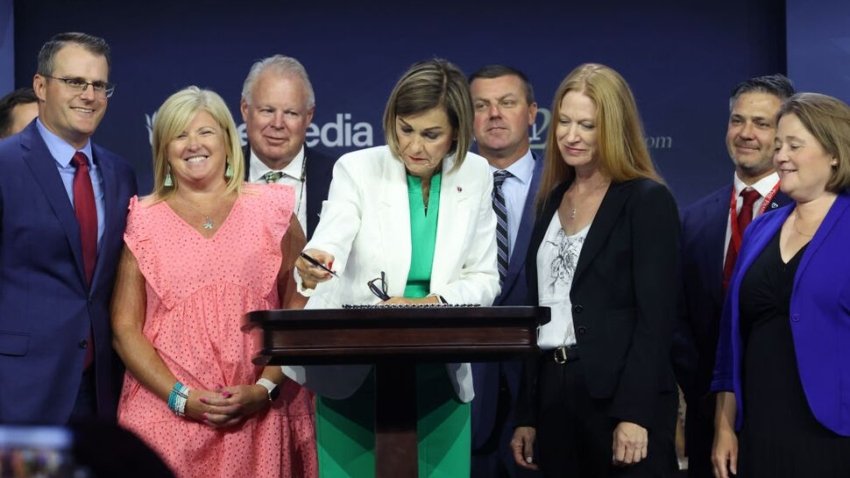
Iowa’s New Abortion Ban Is in Effect: This Is Why it Matters
Iowa is currently one of several states with a ban on abortions after about six weeks of pregnancy. In addition to Iowa, there are 14 other states that have enacted near-total bans on abortion at various stages of pregnancy.
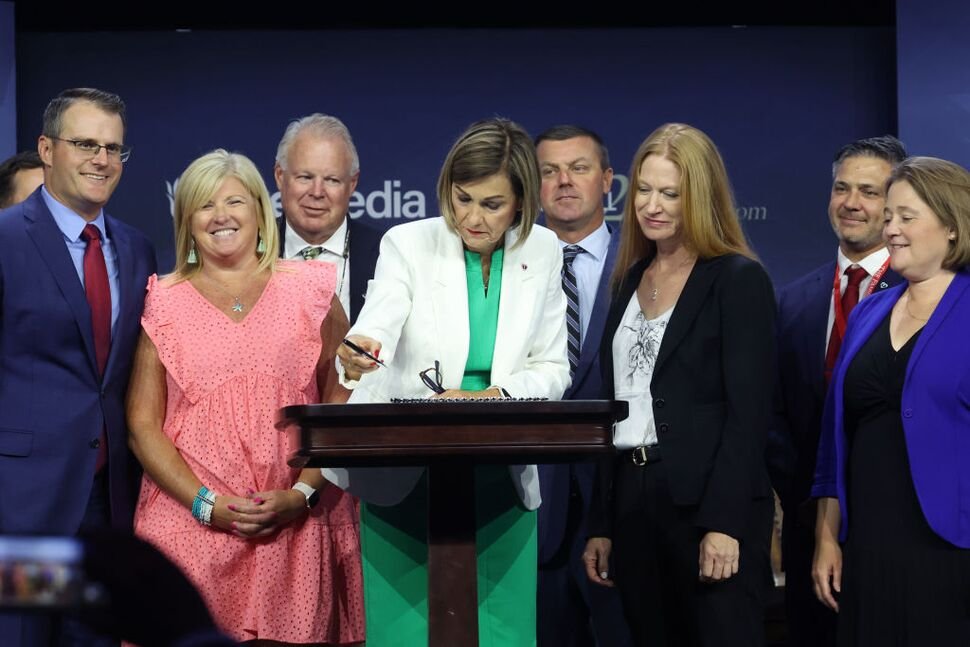 Iowa’s highly contested six-week abortion ban went into effect Monday morning, marking a significant win for its supporters and further restricting abortion access in the state. Passed last year, the new law prohibits most abortions after about six weeks of pregnancy, which is often before many women know they are pregnant.
State lawmakers in Iowa have long sought to pass a restrictive abortion law, and their efforts gained momentum after the U.S. Supreme Court’s 2022 decision in Dobbs v. Jackson Women’s Health Organization, which ended federal protections under Roe v. Wade.
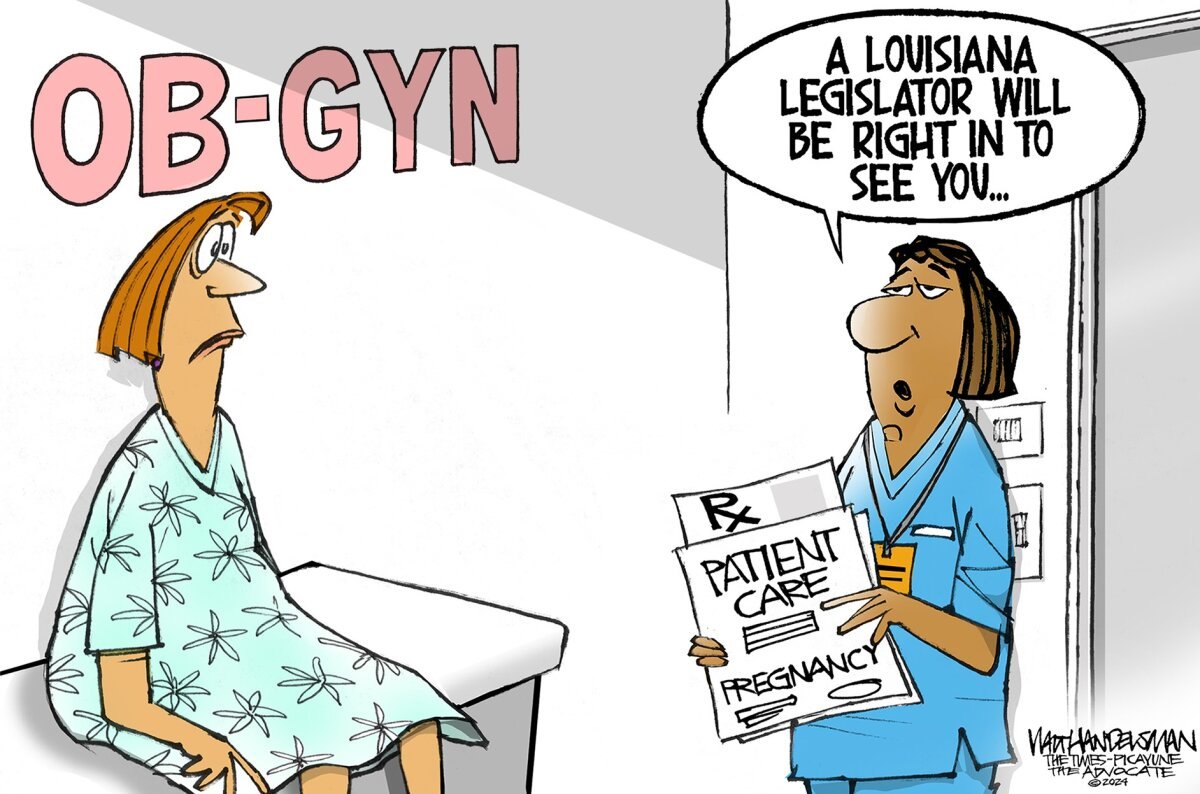
As of now, Iowa is one of a few states with a ban on abortions after approximately six weeks of pregnancy. Fourteen other states have implemented near-total bans on abortion at various stages. With the November election approaching and abortion becoming a central issue in the campaigns, laws like Iowa’s are likely to face intense scrutiny.
Here’s a breakdown of the new law and current discussions:
What Does the Ban Say? The controversial six-week ban, passed by Iowa’s Republican-controlled Legislature during a special session last year and signed into law by Republican Governor Kim Reynolds, restricts abortions after a “detectable fetal heartbeat,” a term that is debated by medical professionals. The law includes exceptions for rape and incest, provided survivors report the incidents to authorities within specific timeframes—45 days for rape and 140 days for incest. Exceptions are also made for cases of fetal abnormalities deemed “incompatible with life” and situations where the mother’s life is at risk or she faces serious permanent injury.
The Iowa Medical Board has issued guidelines for implementing the law, but it remains unclear how non-compliance will be handled. To avoid penalties, doctors must document the circumstances of any exceptions in detail and assess the credibility of their patients.
Before this law, abortions in Iowa were legal up to 20 weeks of pregnancy.
How Did Iowa Get Here? The path to the new ban was paved by the Supreme Court’s decision in Dobbs v. Jackson Women’s Health Organization, which overturned Roe v. Wade. This ruling opened the door for state legislators to pursue more restrictive abortion laws. In July 2023, the Iowa Legislature passed the ban, leading to immediate legal challenges from the American Civil Liberties Union of Iowa, Planned Parenthood North Central States, and the Emma Goldman Clinic. A district judge temporarily blocked the law, but Governor Reynolds appealed, and the Iowa Supreme Court ruled 4-3 to lift the block, stating that there is no constitutional right to abortion in Iowa. The ban went into effect on July 29.
Governor Kim Reynolds welcomed the implementation of the new abortion ban, describing it as a “victory for life” and emphasizing the importance of protecting unborn lives as a sacred cause.
While challenging the law, medical providers in Iowa were also preparing for its potential impact. They sought support from neighboring states and drew on experiences from states that had already enacted similar bans.
Sarah Traxler, Chief Medical Officer for Planned Parenthood North Central States, acknowledged that the organization would comply with the new law but labeled it a “devastating and dark” moment for the state.
Abortion as a Key Issue in the November Election
Since the Supreme Court’s decision in Dobbs v. Jackson Women’s Health Organization, abortion has become a major issue for both political parties. Republicans have pushed to restrict abortion rights, while Democrats have worked to protect and expand access where possible.
The issue significantly influenced the 2022 midterm elections, contributing to Democratic successes despite predictions of a “red wave.” Polls continue to show that a majority of voters support abortion rights. For example, a Des Moines Register/Mediacom poll from 2023 found that 61% of Iowa adults believe abortion should be legal in most or all cases, while 35% think it should be illegal.
Vice President Kamala Harris, who has been a prominent advocate for abortion rights, is focusing heavily on this issue as the presumptive Democratic presidential nominee. Her campaign recently launched the Fight for Reproductive Freedom Week of Action, featuring events led by prominent Democrats and activists in key battleground states.
In a video, Harris criticized former President Donald Trump for supporting policies like Iowa’s new ban, stating, “What this means is that 1 in 3 women of reproductive age in America lives in a state with a Trump abortion ban.”
Trump has shifted his position on abortion, no longer supporting a national ban. However, his vice-presidential pick, Ohio Senator JD Vance, remains opposed to abortion, even in cases of rape or incest.








Leave a Reply