
Are Countries Selling Weapons to Israel Violating International Law?
The U.K. Prime Minister recently received a letter signed by 600 lawyers and academics, including three former Supreme Court justices, warning that the U.K.’s arms sales to Israel may be in violation of international law. This has raised questions about the legality of these arms sales and their alignment with international obligations.

Internal legal advice to the U.K. government, disclosed by Alicia Kearns, Conservative chair of the House of Commons Foreign Affairs Select Committee, suggests that Israel’s actions in Gaza may breach international humanitarian law. This advice was highlighted in a speech on March 13 and later reported by the Observer newspaper. British barrister and war crimes prosecutor Sir Geoffrey Nice has argued that countries supplying arms to Israel might be complicit in unlawful warfare and that the public should be informed about this legal advice.
The Guardian has reported that Prime Minister Rishi Sunak has received a letter from 600 legal experts, including notable former judges and KCs, expressing concerns that U.K. arms sales to Israel could be illegal under international law.
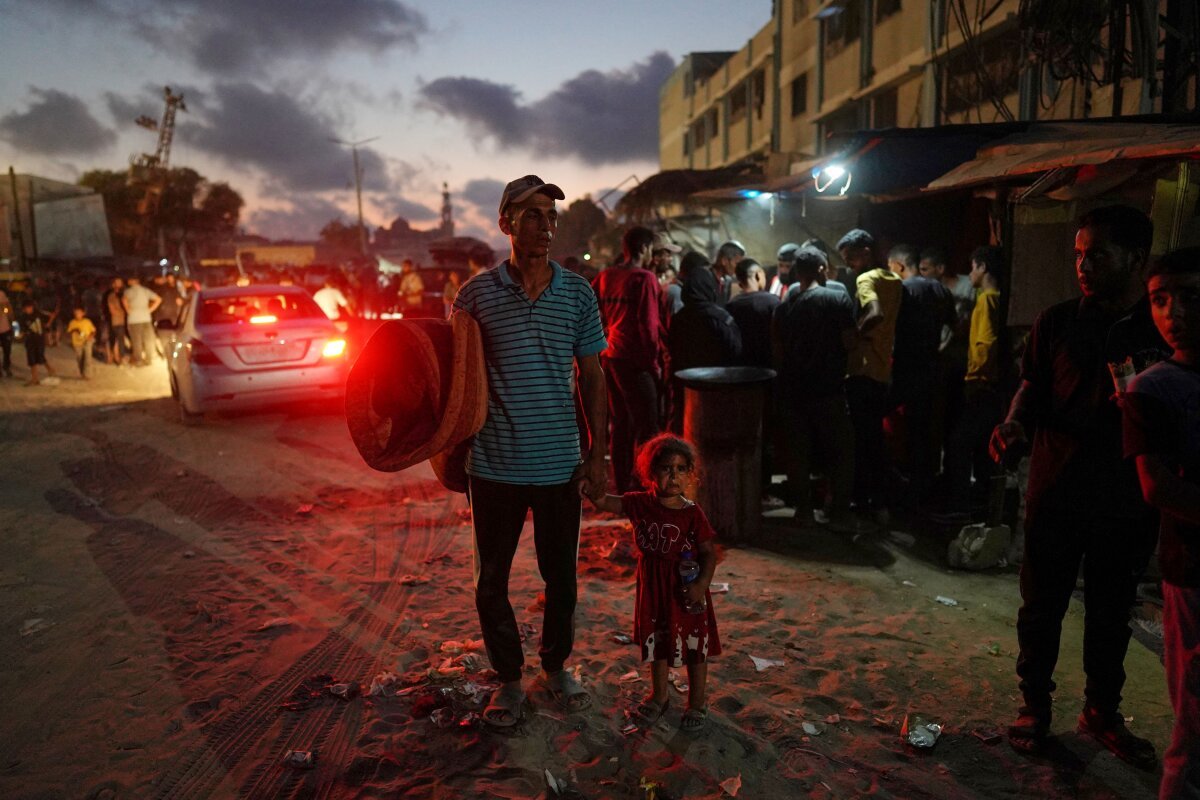
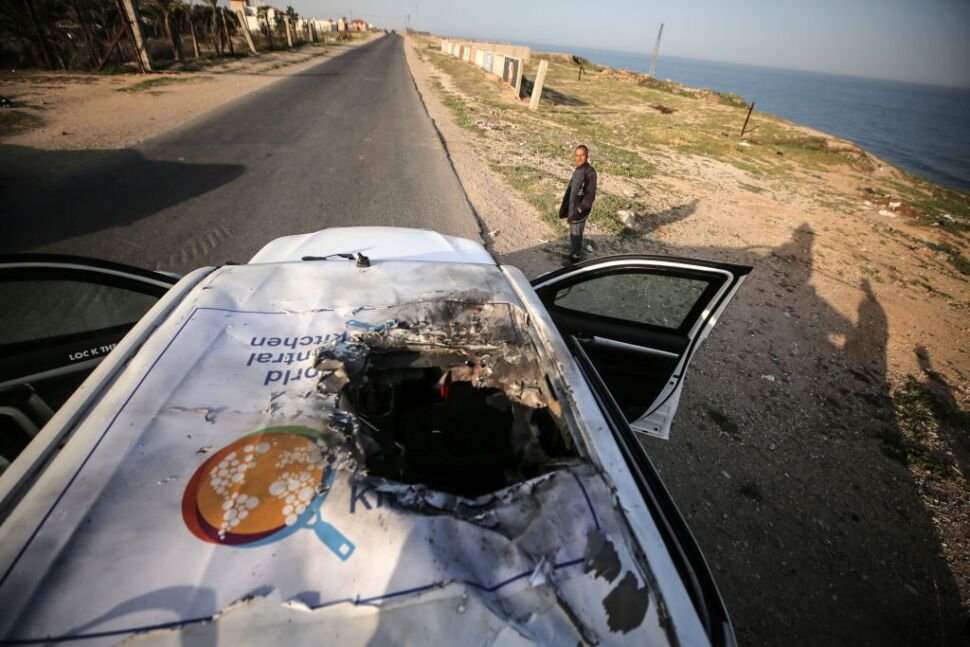
International law, including the U.N. Arms Trade Treaty to which the U.K. is a party, requires a risk assessment for all arms transfers. Article 7 of this treaty mandates that arms exports should be suspended if there is a significant risk that the weapons could be used to commit serious violations of international humanitarian law. Historical patterns of violations are crucial in assessing this risk. Evidence of Israeli actions in Gaza, such as attacks on aid convoys, destruction of hospitals, and widespread famine, could suggest ongoing violations of international humanitarian law.
Recent rulings from other countries reflect similar concerns. For example, the Dutch court of appeal has ordered a suspension of arms exports to Israel based on evidence of violations of international law, as reported by Amnesty International and the U.N. A recent U.N. Security Council resolution also condemned attacks on civilians and called for humanitarian assistance to Gaza.
The Geneva Conventions and the Genocide Convention further obligate states to ensure compliance with international humanitarian law and to prevent genocide. The International Court of Justice (ICJ) has indicated that there is an imminent risk of harm to Palestinians under the Genocide Convention.
In summary, while the U.K. has not yet suspended arms exports to Israel, the legal and ethical implications of continuing such sales amidst evidence of possible violations of international law are significant. Countries are legally bound to ensure compliance with international humanitarian standards and may need to reassess their military support in light of ongoing conflicts and humanitarian crises.
Lawrence Hill-Cawthorne, Associate Professor of Law, University of Bristol
This article is republished from The Conversation under a Creative Commons license. Read the original article published on April 4, 2024.








Leave a Reply